
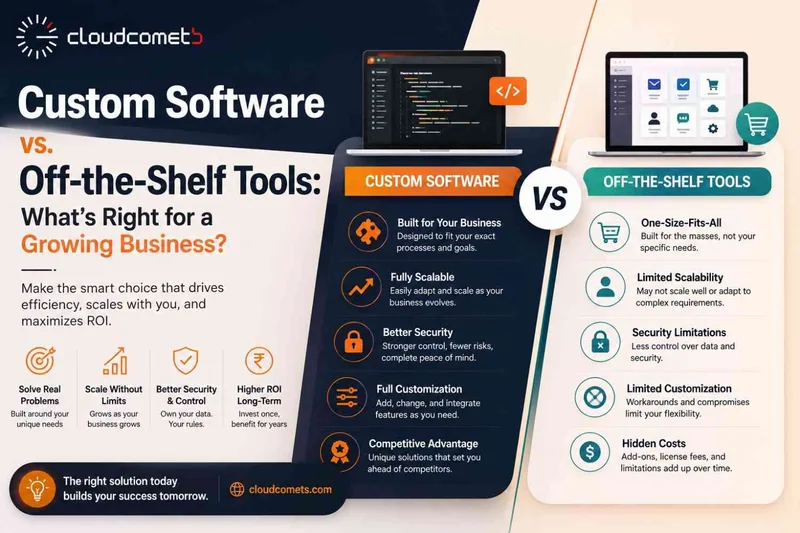
Custom Software vs. Off-the-Shelf Tools: What's Right for a Growing Business?
Should you build custom software or stick with off-the-shelf tools? Here's how to decide as your business grows past spreadsheets and generic apps.

CloudComets Team
Engineering & Design Studio
Published by CloudComets Team
The Moment Every Growing Business Hits There's a predictable point in a growing business where the spreadsheets, generic apps, and manual processes that worked fine at a small scale start breaking down. Orders get missed. Data lives in five different places. Someone spends hours every week doing something a system should do automatically. That's usually the moment the "custom software vs. off-the-shelf" question comes up.
What Off-the-Shelf Tools Do Well
Generic SaaS tools exist because they solve common problems well — accounting, basic CRM, email marketing, project boards. They're fast to set up, relatively cheap, and don't require any development. For standard needs shared by thousands of other businesses, off-the-shelf is usually the right call.
Where Off-the-Shelf Tools Start to Break Down
- Your workflow doesn't quite fit the tool, so you're constantly working around its limitations
- You're paying for multiple subscriptions that don't talk to each other, creating duplicate data entry
- The tool caps out at a certain scale or user count, forcing a costly migration later
- You're customizing so heavily via plugins and workarounds that it's become fragile and hard to maintain
What Custom Software Solves
Custom software is built around *your* actual process — not a generic version of it. It can integrate directly with your existing systems, automate the exact steps that eat up staff time, and scale precisely with your business instead of forcing you into someone else's pricing tiers and feature limits.
The Real Cost Comparison
Off-the-shelf tools look cheaper upfront, but the comparison isn't just subscription cost vs. build cost. It's ongoing subscription fees (that increase with usage) plus the hidden cost of staff time spent working around limitations — versus a one-time build cost plus lower ongoing maintenance, tailored exactly to your workflow.
A Practical Way to Decide
Ask: is this a *common* business problem, or a problem specific to how *my* business operates? Common problems (accounting, email, scheduling) are usually solved well by existing tools. Problems specific to your operations — your exact order flow, your particular customer journey, your unique reporting needs — are where custom software earns its cost back quickly.
You Don't Have to Choose All or Nothing
Most businesses that make this shift don't replace everything at once. They identify the one process causing the most pain, build custom software for that specific piece, and keep using off-the-shelf tools everywhere else. That's usually the smartest, lowest-risk way to make the transition.
In Summary
Building right from the start ensures long-term performance, security, and growth for your digital presence.
Related Articles
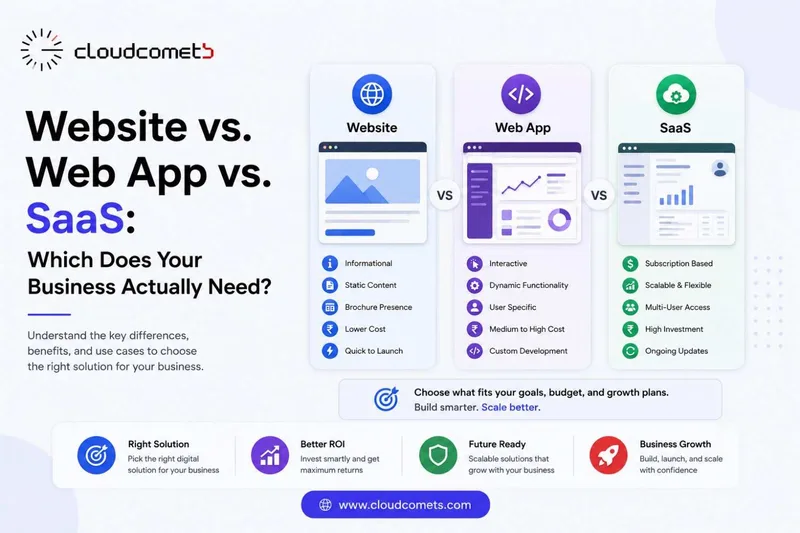
Website vs. Web App vs. SaaS: Which Does Your Business Actually Need?
Confused about whether you need a website, a web app, or a SaaS product? Here's a plain-English breakdown to help you choose correctly the first time.
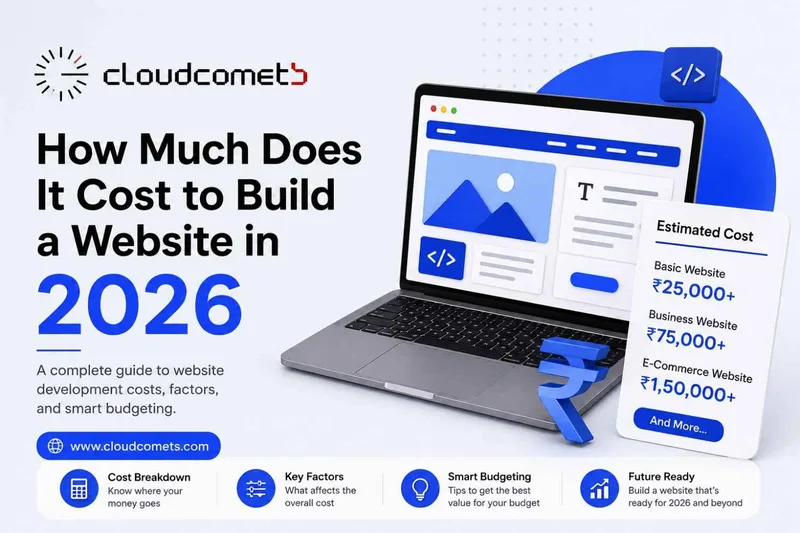
How Much Does It Cost to Build a Website in 2026?
A clear breakdown of what it actually costs to build a business website in 2026 — by site type, features, and what drives the price up or down.
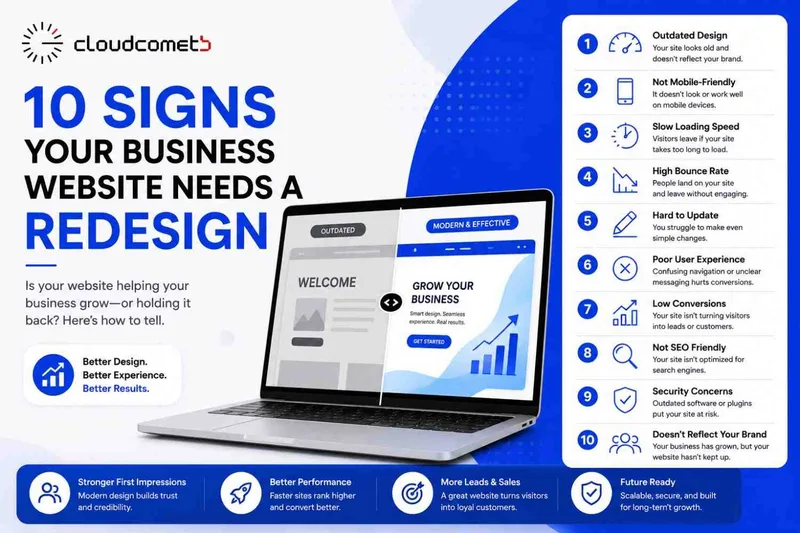
10 Signs Your Business Website Needs a Redesign
Not sure if your website is holding your business back? These 10 signs will tell you whether it's time for a redesign.