
How Much Should a Small Business Spend on Digital Marketing?
Wondering how much to budget for digital marketing? Here's a realistic framework for small businesses, based on revenue, goals, and growth stage.

CloudComets Team
Engineering & Design Studio
Published by CloudComets Team
There's No Universal Number — But There Is a Framework Every business owner wants a single number: "just tell me what to spend." The honest answer depends on your industry, growth stage, and goals — but there is a reliable framework used across the industry to get to a sensible figure for your specific business.
The General Benchmark
A commonly cited range is 7–12% of gross revenue for businesses focused on growth, and slightly less (around 5–8%) for more established businesses focused on maintaining market position. This isn't a rigid rule, but it's a reasonable starting point for most small and mid-sized businesses.
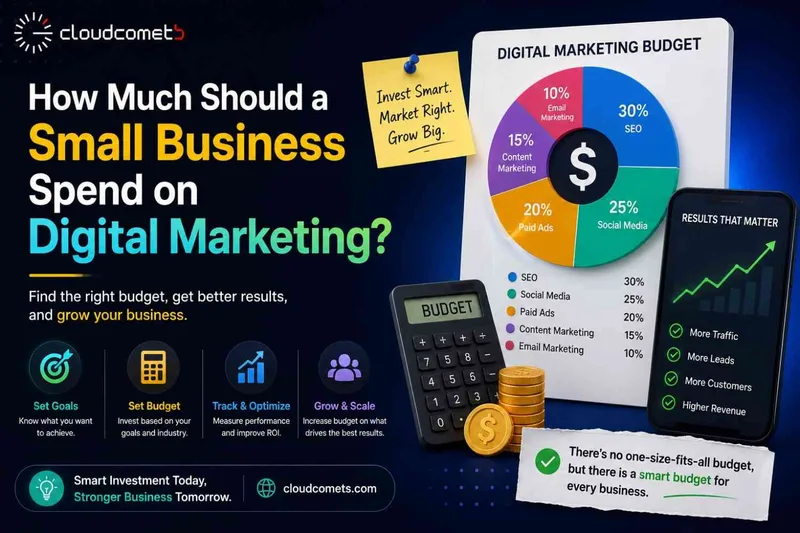
Where That Budget Typically Goes
- Website and SEO — your foundation; poor performance here undermines every other channel
- Paid advertising (Google Ads, social media ads) — for immediate visibility and lead generation
- Content and social media — for longer-term brand building and organic reach
- Email marketing — often the highest ROI channel per rupee/dollar spent, frequently underused
- Tools and software — analytics, automation, and marketing platforms that support everything above
Adjusting for Your Growth Stage
New businesses often need to spend a higher percentage of revenue on marketing simply because there's less existing brand recognition or organic traffic to lean on — the investment is in building visibility from near-zero.
Established businesses with existing customer bases and organic search rankings can often spend a smaller percentage, focused more on retention, referrals, and defending market position.
The Bigger Mistake Isn't the Number — It's the Spread
Many businesses spread a modest budget too thin across too many channels, doing a little of everything poorly instead of doing one or two channels well. A smaller budget focused on the one or two channels that actually reach your customers consistently outperforms a larger budget scattered everywhere.
Start With Measurement, Not Just Spend
Before committing to a number, make sure you can actually track what's working — which channels bring inquiries, which bring sales, and what it costs to acquire a customer through each. Without that visibility, even a well-sized budget is spent partly blind.
A Practical Starting Point
If you're unsure where to start, begin with your website and SEO foundation — since paid and social efforts sending traffic to a weak, slow, or poorly structured site waste money regardless of how well-targeted the ads are. Get the foundation right first, then layer in paid and content channels as budget allows.
In Summary
Building right from the start ensures long-term performance, security, and growth for your digital presence.
Related Articles
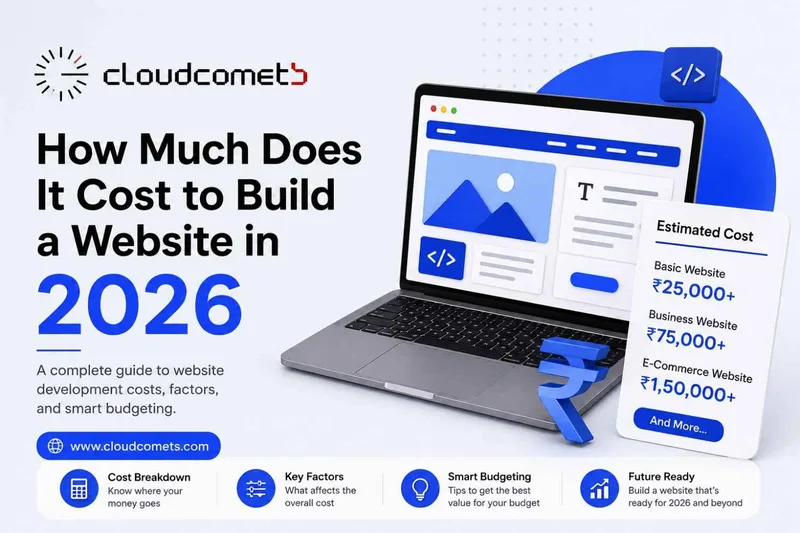
How Much Does It Cost to Build a Website in 2026?
A clear breakdown of what it actually costs to build a business website in 2026 — by site type, features, and what drives the price up or down.
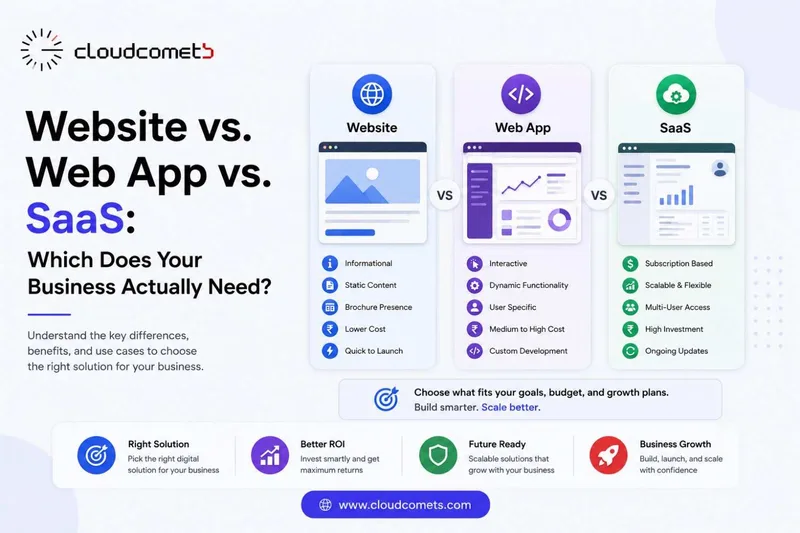
Website vs. Web App vs. SaaS: Which Does Your Business Actually Need?
Confused about whether you need a website, a web app, or a SaaS product? Here's a plain-English breakdown to help you choose correctly the first time.

10 Signs Your Business Website Needs a Redesign
Not sure if your website is holding your business back? These 10 signs will tell you whether it's time for a redesign.